
Intra-Oral Cameras in NW Calgary, AB
Intra-Oral Cameras Near You
It can be difficult to make dental decisions when you cannot see what your dentist sees. At Northwest Dental Centre, we use intra-oral cameras in NW Calgary, AB to capture close-up images of teeth, gums, and existing dental work. These images make hard-to-see areas easier to examine and explain.
If you are searching for intra-oral cameras near you, the benefit is not simply having another piece of technology in the room. It is being able to look at a clear image together, discuss what it may show, and understand why monitoring or care might be recommended.
What Is an Intraoral Camera?
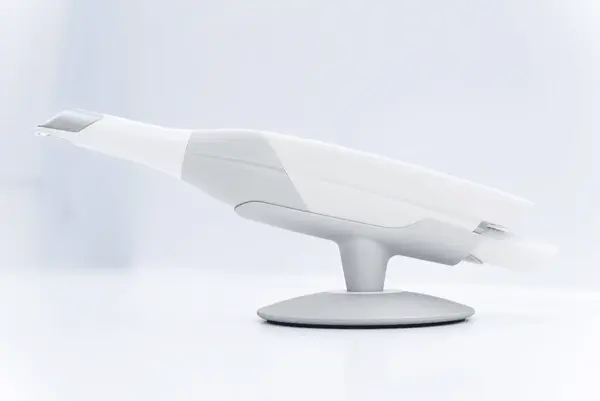
An intraoral camera is a small handheld device designed to take detailed images inside the mouth. It can be guided around individual teeth and along the gums, allowing us to photograph areas that may be difficult for you to see in a mirror.
The images appear on a screen and can be enlarged. Depending on the concern, our dentist in NW Calgary, AB may use the camera during an examination, when checking a restoration, or when documenting an area for comparison.
The camera does not diagnose a condition by itself. It provides a visual record that we interpret alongside your symptoms, dental history, clinical examination, and any other records that may be required.
What Can an Intraoral Camera Help Us Examine?
Close-up images can provide useful detail about visible surfaces inside the mouth. Depending on your needs, we may use intra-oral cameras in NW Calgary, AB to help us document or discuss:
Cracks, chips, or areas of tooth wear
Changes around fillings, crowns, or other restorations
Visible plaque, tartar, or staining
Redness, recession, or other changes affecting the gums
Areas that are difficult to view directly
A tooth or restoration that needs to be monitored
Findings before, during, or after certain treatments
These photographs can become part of your dental record and provide a reference at a later appointment.
Seeing the Difference Between Monitoring and Treatment
Not every visible change requires treatment. Sometimes an area is healthy. Sometimes it shows normal wear. In other situations, a change may be worth watching or may need further assessment.
We use intra-oral cameras near you to support a clearer conversation. Rather than relying only on a verbal description, we can show you the relevant area and explain what appears stable, what may be changing, and what options are available. When monitoring is appropriate, photographs can help us compare the area over time.
That visual context does not replace clinical judgement, but it can make recommendations easier to understand and let you take part in the decision.
Purposeful Imaging Within a Complete Assessment
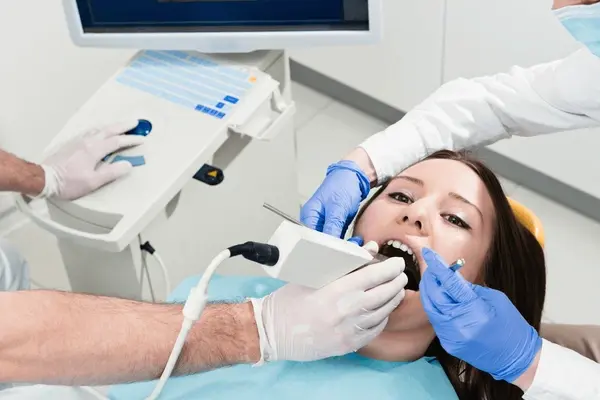
At Northwest Dental Centre, an intraoral camera is one diagnostic resource among several. It records visible surfaces, while dental X-rays provide information about areas such as roots, bone, and spaces that cannot be photographed directly. A digital scan serves another purpose by creating a three-dimensional model of the teeth and bite.
We select each tool according to the question we are trying to answer. Our approach to intra-oral cameras in NW Calgary, AB is not to photograph every area simply because we can. We use the camera when an image can improve documentation, communication, monitoring, or treatment planning.
We explain why an image is being taken and how it relates to the concern being assessed.
How Intraoral Images Support Dental Longevity
Teeth, gums, and dental restorations change gradually. Small areas of wear, recession, or deterioration may be difficult to remember accurately from one appointment to the next. Photographs create a dated visual record that can make those changes easier to recognize.
If you are looking for intra-oral cameras near you, this ability to compare images can support a longer view of dental health. A stable area may continue to be monitored, while a meaningful change can be discussed before it becomes more difficult to manage.
The goal is not to find reasons to treat. It is to understand what is healthy, identify what may be vulnerable, and make decisions based on clear information.
What Can You Expect?
The camera is moved around the area being examined while it captures still images. The process is non-invasive and does not use ionizing radiation. You may feel it resting lightly against nearby tissues, but taking the photographs is generally quick.
Once the images appear on screen, we can point out the relevant features and explain what they may mean. If another type of examination or imaging is needed, we will explain why before proceeding.
Start With One Specific Concern
If you are concerned about a particular tooth, crack, restoration, or change in your gums, The Focussed Clarity Appointment™ may provide an appropriately sized first step. It allows us to begin with your main question, perform a focused assessment, and recommend what should happen next.
If several areas are causing concern or your dental history feels more complicated, The Dental Reset™ may be more appropriate. Patients who are healthy and want a proactive baseline may instead begin with The Dental Longevity Exam™.
To discuss a visible dental concern or request an appointment with a dentist near you, call (403) 282-7933, email [email protected], or visit Northwest Dental Centre at 3604 52 Ave NW, #206, Calgary, AB T2L 1V9, Canada.
Frequently Asked Questions
Does an intraoral camera hurt?
The process is non-invasive and generally comfortable. The camera needs to be positioned inside your mouth, but capturing each image takes only a short time.
Does the camera use radiation?
No. An intraoral camera captures photographs of visible surfaces and does not use ionising radiation.
Can an intraoral camera replace dental X-rays?
No. The camera photographs visible areas inside the mouth. X-rays provide different information about structures that cannot be seen directly, including roots, supporting bone, and some areas between teeth.
Will photographs be taken at every appointment?
Not necessarily. We use an intraoral camera when the images are expected to help with assessment, explanation, documentation, monitoring, or treatment planning.