
Oral Cancer Screening in NW Calgary, AB
Oral Cancer Screening Near You
Changes inside the mouth are often harmless, but a persistent sore, patch, lump, or other unusual area should not be ignored. You may also want screening as part of proactive oral care when you have no symptoms. At Northwest Dental Centre, we provide oral cancer screening in NW Calgary, AB to look for changes affecting the lips, mouth, and nearby tissues. We explain what we are examining and discuss any findings without jumping to conclusions.
If you are looking for oral cancer screening near you, you do not need to judge a change yourself. We examine the area, consider your history and risks, and recommend a next step when needed.
Who Should Consider an Oral Cancer Screening?
Screening may be included in a broader dental examination, particularly when we establish a baseline or review changes over time.
You should also arrange an assessment if you notice something unusual or persistent, such as:
A sore on the lip or inside the mouth that does not heal
A red, white, grey, or mixed-colour patch
A lump, thickened area, or unexplained swelling
Bleeding without a clear cause
Ongoing pain, numbness, or altered sensation
Difficulty chewing, swallowing, speaking, or moving the tongue
A change in how dentures fit
A lump or swelling in the neck or jaw area
These signs can have causes other than cancer, but they deserve evaluation when they persist or worsen. Contact us promptly rather than waiting for a routine appointment.
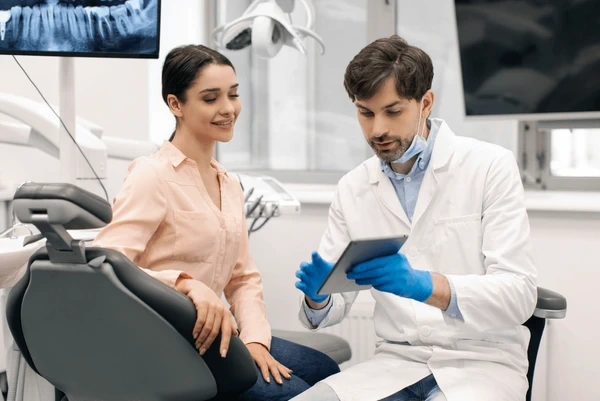
What May Affect Oral Cancer Risk?
Anyone can develop oral cancer, but risk may increase with tobacco, long-term alcohol use, human papillomavirus exposure, age, previous head-and-neck cancer, and regular sun exposure affecting the lips.
Our dentist in NW Calgary, AB may ask about your health, symptoms, tobacco and alcohol use, medications, and relevant changes. These questions help us understand what we are examining; they are not about judgement.
Risk factors do not prove that cancer is present, and having no known risk factors does not rule it out. We consider your history alongside the clinical examination rather than relying on one factor alone.
What Does the Screening Involve?
When we provide oral cancer screening in NW Calgary, AB, we perform a visual and tactile examination. Depending on your needs, this may include:
Examining your lips, cheeks, gums, tongue, and the floor and roof of your mouth
Looking toward the back of the mouth and throat where visible
Checking for changes in colour, texture, symmetry, or tissue contour
Gently feeling areas inside the mouth for a lump, thickening, tenderness, or other change
Checking the jaw and neck for unusual swelling or enlarged areas
Reviewing a spot you have noticed or an area identified during another examination
Recording the location and appearance of a finding for comparison or follow-up
The examination is non-invasive. Tell us if an area is tender or you feel anxious. We will explain each step.
What Happens If We Notice an Unusual Area?
An oral cancer screening does not diagnose cancer. Many findings have non-cancerous explanations, including irritation, infection, trauma, or inflammatory conditions. Our first step is to consider how the area looks and feels, how long it has been present, and whether there is an identifiable cause.
At Northwest Dental Centre, we offer oral cancer screening near you to identify findings that may need monitoring or further evaluation. Depending on what we see, we may:
Document the area and arrange a follow-up examination
Address a possible source of irritation and reassess the tissue
Recommend additional records when clinically appropriate
Refer you promptly to an appropriate specialist
Recommend a biopsy or specialist assessment when a definitive diagnosis is needed
We will explain our recommendation. A referral does not mean cancer has been confirmed; it means the finding deserves further investigation.
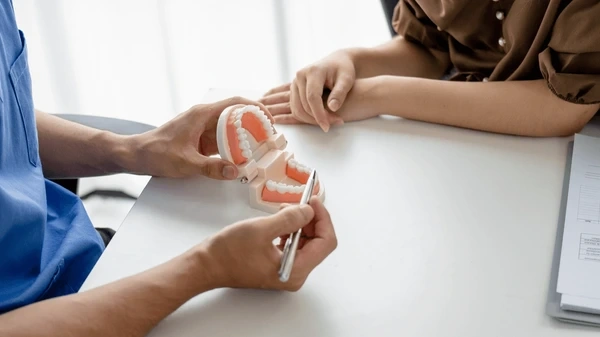
Screening as Part of Long-Term Oral Health
Regular examinations help us notice changes that may be difficult to see or feel yourself and provide records for comparison.
Our approach to oral cancer screening in NW Calgary, AB supports long-term health through careful observation, clear documentation, and timely follow-up. It does not promise that every abnormality can be detected or that screening alone can rule out cancer. A persistent or changing area still requires appropriate reassessment, even after an earlier examination appeared reassuring.
We also encourage you to become familiar with the normal appearance of your mouth. If something new does not resolve, changes, or worries you, let us know.
Choose the Right Starting Point
If you have one specific sore, patch, lump, or other change, The Focussed Clarity Appointment™ is the most appropriate starting point. It allows us to begin with that concern and determine whether monitoring, treatment, or referral is needed.
If you have no specific symptom and want screening within a proactive baseline assessment, The Dental Longevity Exam™ may suit you better. If you have several concerns or a complex dental history, our team may recommend The Dental Reset™.
If you are searching for oral cancer screening near you, call (403) 282-7933 or email [email protected] to request an appointment with a dentist near you. You can also visit Northwest Dental Centre at 3604 52 Ave NW, #206, Calgary, AB T2L 1V9, Canada.
Frequently Asked Questions
Does an oral cancer screening hurt?
The screening is non-invasive and usually comfortable. We visually examine the tissues and gently feel selected areas inside the mouth, jaw, and neck.
Can a screening confirm oral cancer?
No. Screening may identify an area that needs further evaluation, but a definitive diagnosis may require specialist assessment and a biopsy.
Do I need screening if I do not smoke?
Tobacco is an important risk factor, but it is not the only one. Oral cancer can also occur in someone without a history of tobacco use.
What should I do if a mouth sore does not heal?
Contact our clinic or another qualified healthcare provider promptly for an assessment, particularly if the area persists, worsens, or is accompanied by another unusual change.