
Oral Surgery in NW Calgary, AB
Oral Surgery Near You
Oral surgery includes procedures involving the teeth, gums, jawbone, or other tissues in the mouth. An assessment may be needed for a damaged tooth, pain or infection, or a wisdom tooth concern. At Northwest Dental Centre, we provide oral surgery in NW Calgary, AB after carefully assessing the problem. Before recommending a procedure, we consider whether the tooth can be saved and whether treatment can be completed safely in our clinic.
If you are seeking oral surgery near you, we will explain whether surgery is appropriate, what other options are available, and whether referral would be in your best interest. You will have time to understand your options before deciding what to do.
When Might Oral Surgery Be Considered?
Surgery may be considered when a concern cannot be managed predictably with a less invasive option. Reasons for an assessment include:
A tooth that cannot be repaired
Extensive decay, a deep fracture, or limited healthy tooth structure may make restoration unpredictable.
Ongoing pain, swelling, or infection
We identify whether the symptoms come from a tooth, the gums, or another nearby structure before discussing treatment.
A wisdom tooth concern
A partially erupted, impacted, decayed, or infected wisdom tooth may need monitoring, removal, or specialist care.
A broken or retained root
Treatment may be needed if a root is painful, infected, or likely to interfere with other care.
An unusual finding
A change in the soft tissue or bone may need further assessment or referral.
A restorative plan
We consider the full plan before recommending the removal of a tooth.

How We Assess the Concern
Your health, medications, previous treatment, and the location of the concern can affect surgical planning. Our dentist in NW Calgary, AB will ask about your symptoms and review medical conditions, allergies, medications, and factors that may affect bleeding or healing.
We may examine the tooth, gums, bite, swelling, jaw movement, and nearby structures. Digital X-rays can show the roots and surrounding bone. A CBCT scan is used selectively when a three-dimensional view would help us understand the anatomy or expected complexity.
Options Based on Our Findings
Not every painful or damaged tooth needs to be removed. Depending on our findings, options may include:
Monitoring the area
Review appointments may be reasonable when the concern is stable and the risks are low.
Preserving the tooth
Restorative care or root canal treatment may be considered when the tooth has a reasonable long-term outcome.
Removing the tooth
Extraction may be recommended when the tooth cannot be maintained predictably or is affecting nearby tissues.
Planning for the space
If a tooth is removed, we can discuss whether replacement is advisable. Not every space needs the same solution.
Arranging specialist care
We may refer you to an oral and maxillofacial surgeon when the anatomy, health history, or expected complexity requires specialist management.
At Northwest Dental Centre, we offer oral surgery near you when the procedure is appropriate for our clinic. If specialist care is advisable, we will explain why and help coordinate the referral.
What Happens During the Oral Surgery Process?
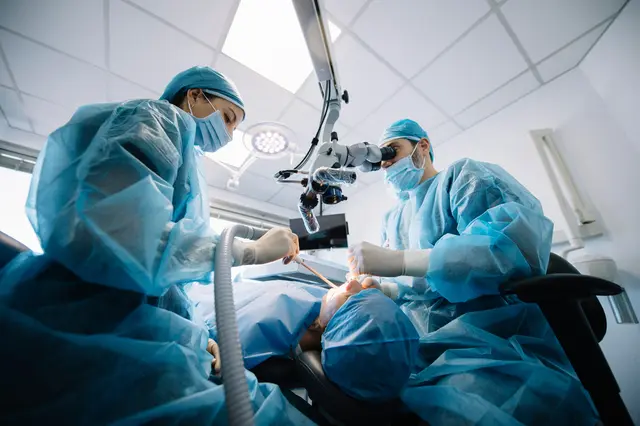
When we provide oral surgery in NW Calgary, AB, we follow a careful process suited to the procedure and your health:
Review your health
We confirm your medical history, medications, symptoms, and relevant records.
Explain our findings
We discuss the reason for surgery, alternatives, risks, and expected outcome.
Plan the procedure
We review local anaesthetic, preparation, and recovery.
Complete or coordinate care
We perform suitable procedures in our clinic or arrange specialist care.
Provide aftercare
We explain how to protect the area and recognize a possible problem.
Review healing
We arrange follow-up when the procedure or your risks make it advisable.
Recovery and Aftercare
Some bleeding, swelling, and tenderness can be expected after many procedures. Recovery varies, so follow the instructions we give you for your specific care. We may ask you to apply steady pressure with gauze, eat foods that are easy to chew, avoid disturbing the area, and take medication as directed.
Smoking, vigorous rinsing, and strenuous activity can interfere with early healing. Contact us if bleeding does not settle with firm pressure, pain or swelling worsens, or you develop a fever, drainage, or a persistent bad taste. Trouble breathing or swallowing requires urgent medical care.
Supporting Healing and Long-Term Stability
Surgery addresses a specific problem, but care may continue after the procedure. When we provide oral surgery in NW Calgary, AB, we also consider healing, your bite, nearby teeth, and whether restorative or preventive care may help. Follow-up may include monitoring, home-care guidance, or a later discussion about replacing a missing tooth.
Request an Oral Surgery Assessment
If you are looking for oral surgery near you, Northwest Dental Centre is here to help. Call (403) 282-7933, email [email protected], or visit us at 3604 52 Ave NW, #206, Calgary, AB T2L 1V9, Canada to request The Focussed Clarity Appointment™ and discuss your concerns with an experienced dentist near you.
Frequently Asked Questions
Does every painful tooth need to be removed?
No. Pain has several possible causes, and some teeth can be treated with restorative care or root canal therapy. We examine the area before recommending removal.
Will I need to see an oral and maxillofacial surgeon?
Not always. The tooth’s position, root shape, nearby nerves or sinuses, your health, and the expected difficulty help us decide whether referral is appropriate.
What should I expect after oral surgery?
Tenderness, swelling, and mild bleeding or oozing are common after many procedures. Recovery varies, and we will give you instructions for the care you received.
When should I contact the clinic after surgery?
Call us if bleeding does not settle, pain or swelling worsens, or you develop a fever, drainage, or persistent bad taste. Difficulty breathing or swallowing requires urgent medical attention.