
Sleep Apnea Treatment in NW Calgary, AB
Sleep Apnea Treatment Near You
A sleep apnea diagnosis can leave you with practical questions. You may wonder which treatment fits your condition, what to do if CPAP is difficult to use, or whether an oral appliance could be considered. At Northwest Dental Centre, we support sleep apnea treatment in NW Calgary, AB through dental assessment, oral appliance care when appropriate, and communication with your medical provider.
If you are looking for sleep apnea treatment near you, the first step is a clear diagnosis and a plan based on your test results, symptoms, health history, and preferences.
Diagnosis Comes Before Treatment
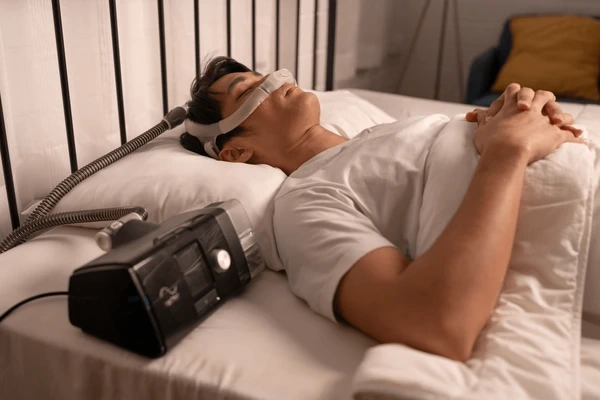
Obstructive sleep apnea, or OSA, causes repeated narrowing or blockage of the upper airway during sleep. Snoring, gasping, breathing pauses, morning headaches, and daytime sleepiness can be warning signs, but symptoms alone cannot confirm the condition.
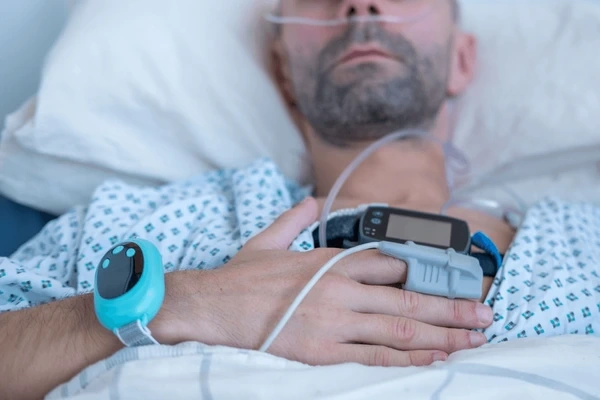
A qualified medical provider must diagnose sleep apnea and direct its medical management. The diagnosis considers your history, examination, and an appropriate home or laboratory sleep study. The results show whether OSA is present and how severe it is.
A dentist can screen for possible risk but cannot diagnose sleep apnea from an oral examination, questionnaire, or automatically generated score.
Treatment Options Depend on Your Needs
Your medical provider may discuss one or more options based on the diagnosis and your overall health:
Positive airway pressure
CPAP and related devices use pressurized air to help keep the airway open during sleep. Positive airway pressure is a primary treatment for adult OSA.
Lifestyle measures
Changes involving weight, exercise, alcohol, smoking, or sleep habits may be recommended when relevant to your health.
Positional therapy
Some people have more breathing events while sleeping on their back and may receive guidance about sleep position.
Oral appliance therapy
A custom appliance may be considered for suitable adults after medical and dental assessment.
Medical or surgical care
A sleep physician, ear, nose, and throat specialist, or another provider may recommend other care in selected cases.
These options are not interchangeable. The choice depends on OSA severity, other health conditions, anatomy, treatment response, and ability to use the therapy consistently.
When May an Oral Appliance Be Considered?
An oral sleep appliance is designed to hold the lower jaw slightly forward while you sleep, which may help keep the airway more open. It is different from a sports mouthguard or a standard nightguard.
An appliance may be considered for some adults who prefer it to CPAP, have difficulty tolerating CPAP, or receive another appropriate medical recommendation. It is not suitable for everyone.
Our dentist in NW Calgary, AB assesses whether the teeth, gums, existing dental work, bite, and jaw can support an appliance. We also explain possible limitations and side effects, including temporary jaw discomfort, excess saliva or dryness, tooth movement, and bite changes.
How Oral Appliance Care Works
When dental care is included in sleep apnea treatment in NW Calgary, AB, we follow a clear process:
Confirm the medical pathway
We review the diagnosis, sleep-test report, medical recommendations, and treatment history.
Assess your oral health
We examine the teeth, gums, restorations, bite, jaw joints, and jaw movement.
Discuss suitability
We explain the appliance’s purpose, reasonable expectations, alternatives, and possible side effects.
Record your teeth and bite
We take the records needed to make a custom appliance.
Fit the appliance
We check comfort and retention and explain how to use and care for it.
Adjust it gradually
We make small, measured changes guided by comfort and the treatment plan.
Confirm the response medically
Appropriate follow-up testing through the medical pathway determines whether the appliance is controlling the sleep apnea.
At Northwest Dental Centre, we can help when you have been advised to consider an oral appliance and are looking for sleep apnea treatment near you. We do not recommend stopping CPAP or changing treatment without involving your medical provider.
Why Follow-Up Matters
Feeling better or snoring less does not prove that sleep apnea is controlled. Medical review and follow-up testing are needed to assess the response.
When an oral appliance is part of sleep apnea treatment in NW Calgary, AB, dental follow-up is also important. We monitor comfort, appliance fit, the teeth, gums, jaw, and bite. Small changes may be easier to manage when they are recognized early.
Bring the appliance to dental visits. Contact us if it causes ongoing pain, damages a tooth or restoration, no longer fits, or leaves your bite feeling different. Long-term care involves medical evaluation and dental maintenance.
Request a TMJ/Airway Consultation
If you are exploring sleep apnea treatment near you, Northwest Dental Centre is here to help. Call (403) 282-7933, email [email protected], or visit us at 3604 52 Ave NW, #206, Calgary, AB T2L 1V9, Canada to request a TMJ/Airway Consultation with a dentist near you.
Frequently Asked Questions
Is CPAP the only treatment for sleep apnea?
No. Other options may be considered according to the diagnosis, severity, health history, and medical recommendations. CPAP remains a primary and effective treatment for adult OSA.
Can a dentist diagnose and treat sleep apnea alone?
No. A qualified medical provider diagnoses sleep apnea and directs its medical management. A dentist may provide oral appliance therapy and dental follow-up as part of coordinated care.
Will an oral appliance stop my snoring?
It may reduce snoring, but results vary. Reduced snoring does not prove that OSA is controlled, so medical follow-up testing remains important.
Can I stop using CPAP when I receive an oral appliance?
Not without speaking with the provider managing your sleep apnea. Treatment should change only after appropriate medical guidance and follow-up testing.