
Our Evaluation & Clarity Approach
When Your Symptoms Do Not Fit Neatly Into One Category
Jaw pain, headaches, facial tension, tooth wear, snoring, mouth breathing, and poor sleep can sometimes occur together. They can also have completely different causes. That is why we do not begin by assuming that every symptom comes from the bite, the jaw joints, or the airway.
At Northwest Dental Centre, our evaluation and clarity approach helps you make sense of what you are noticing. We assess the dental aspects, explain what we know, and identify where another professional may need to contribute. Our goal is not to turn every concern into treatment. It is to help you understand what may be happening and what, if anything, should happen next.

What We Mean by Clarity
Clarity does not always mean reaching a final diagnosis at the first appointment. Some concerns require testing, monitoring, another provider’s input, or more time.
We aim to help you understand:
What appears healthy
Some areas may need no treatment or only monitoring.
What may be contributing
We discuss relevant dental findings, muscle or joint concerns, sleep-related symptoms, and habits.
What remains uncertain
We tell you when the available information does not support a firm conclusion.
What needs attention
We separate concerns that may require timely care from those that can wait.
Who should be involved
A physician, sleep specialist, physiotherapist, myofunctional therapist, orthodontist, or another provider may need to assess part of the concern.
We will not suggest that one dental procedure can resolve a group of symptoms that may have unrelated causes.
What an Evaluation May Include
The assessment is shaped by the reason for your visit. Depending on your concerns, it may include:
A detailed conversation
We ask when symptoms began, what affects them, and what care you have already received.
A health-history review
We consider medical conditions, medications, injuries, sleep, and other care.
An oral examination
We assess the teeth, gums, restorations, bite, wear, tongue, and palate.
A jaw assessment
We observe movement and check for tenderness, locking, limited opening, or painful joint sounds.
Sleep and breathing screening
We may ask about snoring, gasping, mouth breathing, witnessed breathing pauses, and daytime sleepiness.
Selected records
Photographs, a digital scan, X-rays, or CBCT imaging may be recommended when they can answer a clinical question.
Not everyone needs every record. Screening is also different from diagnosis. We can recognize possible signs of sleep-related breathing concerns, but a qualified medical provider must diagnose sleep apnea and direct its medical management.
How We Work Toward a Clearer Answer
We follow a calm, step-by-step process:
Start with your main concern
We make sure we understand what brought you in and what you hope to learn.
Gather the relevant history
We examine changes, injuries, recurring patterns, and previous treatment.
Examine the dental factors
We check for damage, infection, wear, restoration problems, bite changes, and jaw findings.
Use records selectively
We gather more information only when it may change our understanding or recommendation.
Separate findings from assumptions
We explain what the examination supports and what still needs further investigation.
Discuss our findings
We review what appears stable, what may be vulnerable, and what falls within or beyond the scope of dental care.
Agree on the next step
We explain the available choices, including the option to monitor when immediate treatment is not needed.
You will have time to ask questions. We use plain language and tell you when something remains uncertain or falls outside our care.
What Our Findings May Lead To
The next step is different for each person. Our findings may lead to:
Reassurance and monitoring
No active treatment may be needed.
Focused dental care
A damaged tooth, restoration, or another dental concern may need attention.
Conservative jaw care
Education, temporary self-care, an appliance, or physiotherapy may be considered.
Medical sleep evaluation
A physician or sleep specialist may need to arrange and interpret sleep testing.
Coordinated care
More than one provider may be involved when concerns cross dental and medical areas.
A broader assessment
Connected dental concerns may need to be evaluated together before treatment is planned.
These are possible directions, not a preset sequence. We explain why we recommend a step, what it may address, and its limitations.
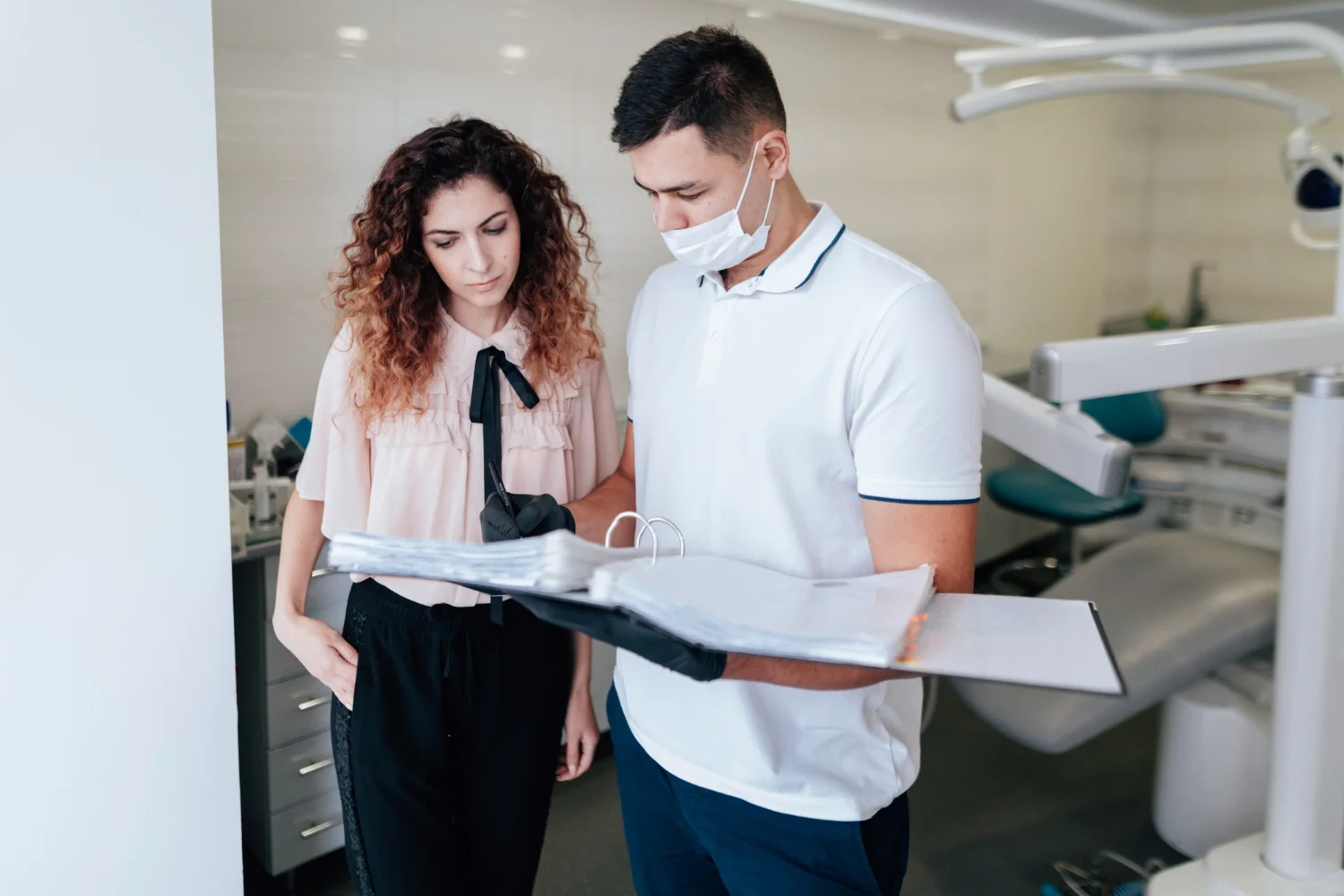
Clear Information Before You Decide
An evaluation does not commit you to treatment. If care is recommended, we explain the options, likely sequence, expected costs, and relevant limitations before anything moves forward.
You can take time to consider the information or seek another opinion. If your concern falls outside dentistry, we will say so and help identify the appropriate type of provider when possible.
Request a TMJ/Airway Consultation
If you have a question involving jaw function, facial discomfort, tooth wear, snoring, mouth breathing, or sleep-related concerns, call (403) 282-7933 or email [email protected] to request a TMJ/Airway Consultation. Northwest Dental Centre is located at 3604 52 Ave NW, #206, Calgary, AB T2L 1V9, Canada.
Frequently Asked Questions
Will I receive a diagnosis at the first appointment?
Sometimes, but not always. We may need additional records, monitoring, medical testing, or input from another provider before reaching a reliable conclusion.
Does everyone need X-rays or CBCT imaging?
No. We recommend imaging only when it can provide useful information for the concern being assessed.
Can this evaluation diagnose sleep apnea?
No. We can screen for possible signs and help coordinate care, but a qualified medical provider must diagnose sleep apnea and direct its medical treatment.
Does an evaluation commit me to treatment?
No. We explain our findings and your options without pressure. You can ask questions, take time to decide, or seek another opinion.