
Rehabilitative Dentistry in NW Calgary, AB
Rehabilitative Dentistry Near You
When dental problems keep returning, every concern can feel separate. A filling breaks, a crown needs attention, or chewing becomes less comfortable. Another isolated repair may not provide the clarity you need. It may be time to see how the concerns fit together.
At Northwest Dental Centre, we provide rehabilitative dentistry in NW Calgary, AB for patients with worn, damaged, missing, or heavily restored teeth. We begin by understanding what has changed, what remains healthy, and what may be contributing to repeated problems.
If you are looking for rehabilitative dentistry near you, we will help you determine which areas should be addressed first. Some may need prompt care, while others may be stable enough to monitor. Our goal is a clear, manageable plan.
When Might Rehabilitative Care Be Helpful?
You may benefit from a rehabilitative assessment if:
Teeth or restorations keep chipping, cracking, or breaking
Several fillings, crowns, or bridges are beginning to show signs of wear
Tooth wear has changed the appearance or function of your bite
Missing teeth make chewing less comfortable
Previous treatment has been completed one tooth at a time without a larger plan
Gum health, bone support, or decay must be stabilized before restorative care
You have received different recommendations and are unsure how to proceed
You want to protect extensive dental work and reduce future breakdown
These concerns do not always mean you need full-mouth treatment. Care can range from stabilizing one area to coordinating several parts of your mouth.
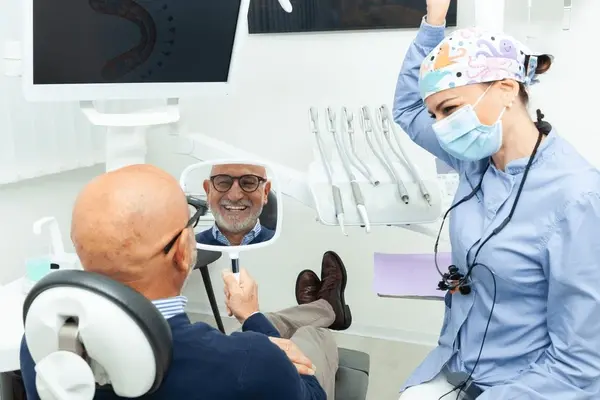
Understanding Why Problems Keep Returning
A damaged tooth may have an obvious cause, but repeated failures deserve a closer look. Decay, clenching, tooth wear, an unstable bite, missing teeth, gum disease, dry mouth, and ageing restorations can stress your teeth and dental work.
Our dentist in NW Calgary, AB looks at the concern and surrounding conditions. We want to know whether it is isolated or part of a pattern affecting other teeth or restorations.
If a straightforward repair is appropriate, we will say so. If several concerns are connected, we will explain the relationship before discussing a plan.
Building a Clear Clinical Picture
When we provide rehabilitative dentistry in NW Calgary, AB, we shape the assessment around your dental history, concerns, and goals. We may examine your teeth, gums, bite, jaw function, missing teeth, and existing dental work. When clinically useful, we may also recommend photographs, digital X-rays, an iTero scan, or CBCT imaging.
We organize our findings into clear categories:
What appears healthy and worth protecting
What is vulnerable but can be monitored
What needs to be stabilized first
What can wait
Which options may restore comfort, function, or structure
How the results can be protected and maintained over time
Before treatment, we explain our findings, recommended steps, and related costs—without pressure or surprises.
Stabilization Comes Before Rebuilding
Restorative work can be harder to maintain when the mouth is not stable. Active decay, gum inflammation, infection, or bite stress may need attention first.
At Northwest Dental Centre, we provide rehabilitative dentistry near you through a staged approach when appropriate. The first stage may focus on relieving pain, controlling infection, improving gum health, protecting weak teeth, or creating temporary stability.
Once those priorities are addressed, we can reassess your mouth and discuss which longer-term options make sense.
Staging separates immediate needs from decisions that require more planning.
What Treatment Options May Be Considered?
Options may include preventive or periodontal care, fillings, crowns, bridges, root canal treatment, implants, orthodontics, protective appliances, or replacement of failing restorations.
Sometimes the best choice is to preserve and monitor your existing dental work. In other cases, repairing one area at a time would not address the underlying instability. We compare reasonable options, discuss their limits, and consider their effect on the rest of your mouth.
You will not need to make every decision at once. We will explain the sequence and help you decide what fits your health, goals, and circumstances.

Protecting the Result Over Time
Rehabilitation is not finished when the last restoration is placed. Long-term success also depends on home care, gum health, bite forces, and maintenance shaped around personal risk.
Our approach to rehabilitative dentistry in NW Calgary, AB includes planning for that next phase. Once your mouth is stable, ongoing care may include personalized hygiene intervals, monitoring of wear and restorations, digital comparisons, protective appliances, or our Protective Prevention™ method.
The aim is to protect the work that has been completed and monitor it regularly, rather than waiting for another problem to appear.
Begin with The Dental Reset™
For recurring breakdown, extensive previous dentistry, worn teeth, or uncertainty about several areas, The Dental Reset™ is the recommended starting point. It helps us identify priorities and develop a clear sequence of care.
For one isolated concern, The Focussed Clarity Appointment™ may be enough. If your mouth is already healthy and you want to protect that stability, The Dental Longevity Exam™ may suit you better.
If you are looking for rehabilitative dentistry near you, call (403) 282-7933 or email [email protected] to book The Dental Reset™ with a dentist near you. You can also visit Northwest Dental Centre at 3604 52 Ave NW, #206, Calgary, AB T2L 1V9, Canada.
Frequently Asked Questions
Is rehabilitative dentistry the same as cosmetic dentistry?
No. Appearance may be considered, but rehabilitation begins with health, stability, comfort, and function. Aesthetic improvements may be part of the result rather than the only goal.
Does rehabilitative care always involve full-mouth treatment?
No. The scope depends on your needs. Some patients require care in one area, while others benefit from a coordinated plan involving several teeth or disciplines.
Can treatment be completed in stages?
Often, yes. We may first stabilize urgent or vulnerable areas and then plan later phases according to clinical priorities and your circumstances.
How can I maintain the results?
We recommend home care, hygiene visits, dental examinations, monitoring, and protective measures based on your gum health, bite, restorations, and individual risks.