
Periodontal Dentistry in NW Calgary, AB
Periodontal Dentistry Near You
Bleeding, swollen, or receding gums can be easy to dismiss when they do not hurt. Gum disease often develops quietly but can affect the tissues and bone supporting your teeth. At Northwest Dental Centre, we provide periodontal dentistry in NW Calgary, AB for the gums and supporting structures around teeth and implants. We assess inflammation, loss of support, and factors that may make the condition harder to control.
If you are seeking periodontal dentistry near you, an assessment can identify gingivitis, periodontitis, recession, or another concern. We explain our findings without blame and tailor any care to your needs.
Signs That Your Gums May Need Attention
Contact us if you notice:
Bleeding gums
Your gums bleed regularly during brushing or interdental cleaning.
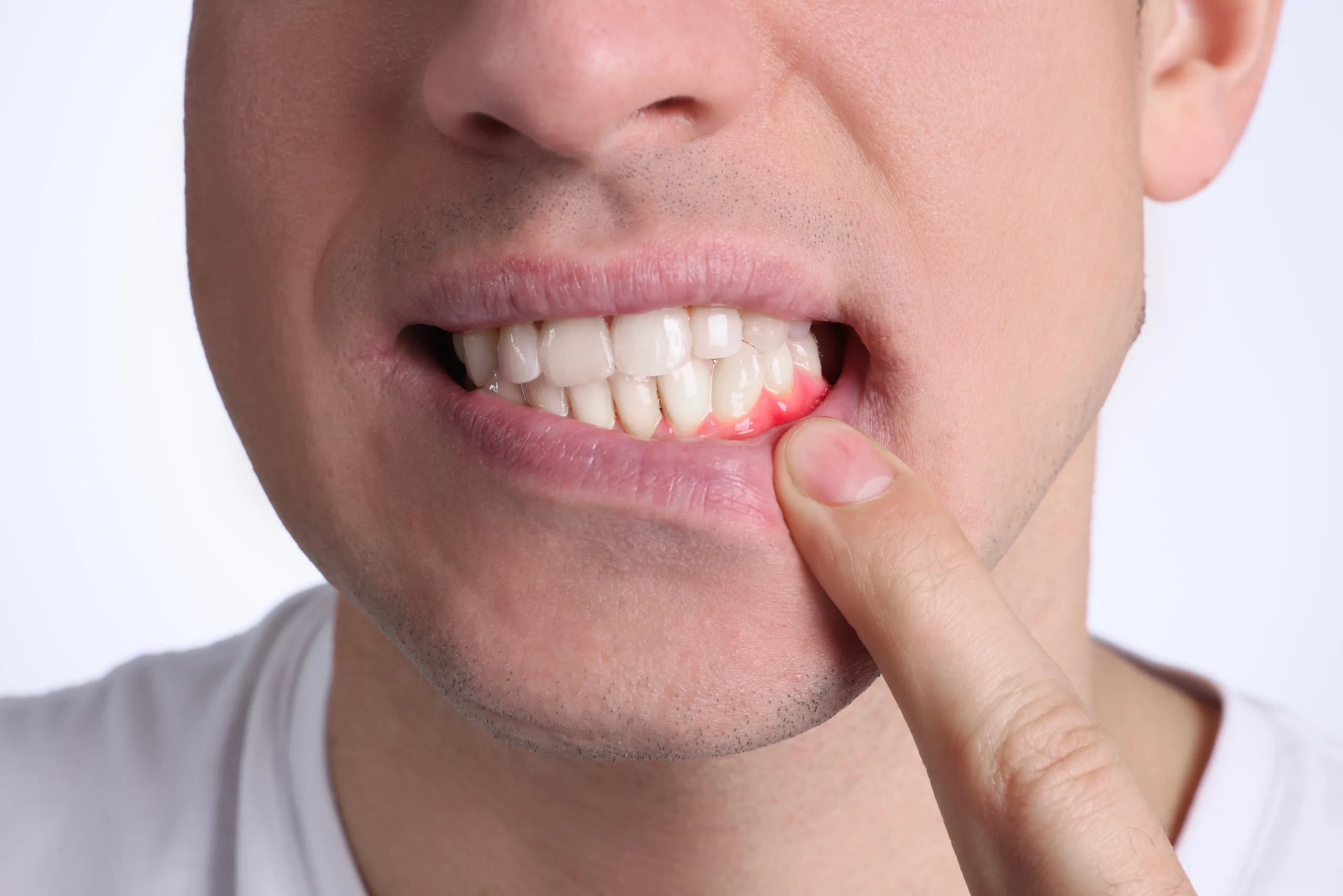
Redness or swelling
The gums look puffy, shiny, tender, or different in colour.
Gum recession
Teeth look longer, roots are exposed, or sensitivity develops near the gum line.
Persistent bad breath
An odour or unpleasant taste remains despite daily care.
Tooth movement
A tooth feels loose, spaces are opening, or the bite has changed.
Changes around an implant
The tissues bleed, swell, feel sore, or release fluid.
These signs can have different causes. Gum disease may also be present without obvious symptoms, so measurements and imaging may be needed.

Gingivitis and Periodontitis Are Not the Same
Gingivitis is inflammation limited to the gums, without bone loss. The gums may look red or swollen and bleed easily. Professional care and effective daily plaque removal can often reverse it.
Periodontitis affects the attachment and bone around teeth. Pockets may deepen between the teeth and gums, making cleaning harder. Treatment aims to control the disease and protect the remaining support. Lost bone does not simply return after a cleaning.
Looking at the Contributing Factors
Plaque biofilm is the main driver of gum inflammation. It can harden into calculus, which requires professional removal. Tobacco use, diabetes, genetics, dry mouth, medications, tooth position, and dental work may also affect periodontal health.
We consider these factors so our home-care and maintenance advice fits your needs.
What May Be Included in the Assessment?
Our dentist in NW Calgary, AB will ask about your symptoms, health, medications, home care, tobacco use, and previous treatment. Your assessment may include:
Examining the gums
We look for redness, swelling, bleeding, recession, and changes around implants.
Taking periodontal measurements
We measure the spaces around teeth and record bleeding, recession, or other concerns.
Checking plaque and calculus
We identify deposits and areas that are difficult to maintain.
Reviewing tooth stability
We assess looseness, movement, the bite, and dental work that affects cleaning.
Assessing bone support
X-rays may be recommended to evaluate the bone when useful.
Our findings help determine whether care can be provided at our clinic or should involve a periodontist.
Options Based on Our Findings
At Northwest Dental Centre, we offer periodontal dentistry near you based on your gum health and risks. Care may include:
Personalized home-care guidance
We help you choose brushing and interdental-cleaning methods that fit your mouth.
Professional plaque and calculus removal
We choose the type of cleaning based on where deposits are located and whether pockets are present.
Scaling and root planing
This non-surgical treatment removes deposits below the gums and cleans affected root surfaces.
Re-evaluation
We reassess bleeding, inflammation, pocket depths, and home care after treatment.
Periodontal maintenance
We recommend a maintenance interval based on your findings and risks.
Specialist referral
Advanced disease, complex recession, surgical needs, or limited response may require care from a periodontist.
How We Provide Periodontal Care
When we provide periodontal dentistry in NW Calgary, AB, we follow a careful process:
Understand your concerns
We review your symptoms, health, and previous care.
Assess the supporting tissues
We examine the gums, take measurements, and use imaging when needed.
Explain our findings
We show you any inflammation, recession, pockets, or bone changes.
Stabilize active disease
We provide or coordinate care to control inflammation and disease.
Review your response
We reassess healing and adjust the plan when needed.
Plan ongoing care
We recommend home care and maintenance suited to your risks.
Supporting Long-Term Periodontal Health
Our approach to periodontal dentistry in NW Calgary, AB includes monitoring. Periodontitis can become active again after responding to treatment. Regular reviews help us watch for bleeding, deeper pockets, tooth movement, bone changes, or inflammation around implants.
Your maintenance schedule may change with your health, medications, home care, and periodontal condition.
Request a Periodontal Assessment
If you are looking for periodontal dentistry near you, Northwest Dental Centre is here to help. Call (403) 282-7933, email [email protected], or visit us at 3604 52 Ave NW, #206, Calgary, AB T2L 1V9, Canada to request The Focussed Clarity Appointment™ and discuss your concerns with an experienced dentist near you.
Frequently Asked Questions
Can gum disease develop without pain?
Yes. Gingivitis and periodontitis may cause little discomfort, particularly in their early stages. Bleeding, recession, bad breath, or changes seen on an X-ray may be the first signs.
Is bleeding when I brush or floss normal?
Occasional bleeding may follow an injury or a recent change in cleaning habits, but repeated bleeding should be assessed. It commonly reflects inflammation and should not simply be ignored.
Is periodontal cleaning different from a routine cleaning?
Yes. Routine cleaning is generally intended for a healthy or stable mouth. Periodontal treatment may involve cleaning below the gum line and along root surfaces, followed by re-evaluation and ongoing maintenance.
Can receding gums grow back?
Gum tissue lost through recession generally does not grow back on its own. We can assess the cause, help limit further recession, manage sensitivity, and discuss whether referral for grafting or another treatment is appropriate.